
Goa
Buy dry fruits online in Goa
Goa smells of cashew long before it tastes of it: the orchards ripen in March and April, and by Christmas the same nut is in bebinca, dodol and neureos. Ganesh Chavath, Shigmo and Diwali add their own sweets. Raj Dry Fruit weighs and packs kaju, badam, kishmish, dates and seeds at its counter in Rajasthan and couriers them to North Goa and South Goa, from Pernem to Canacona. The live shelves are below, and payment is online.
- 3-5 days to Goa
- Free delivery over ₹1,000
- Premium graded by hand
- Weighed to order, never pre-packed
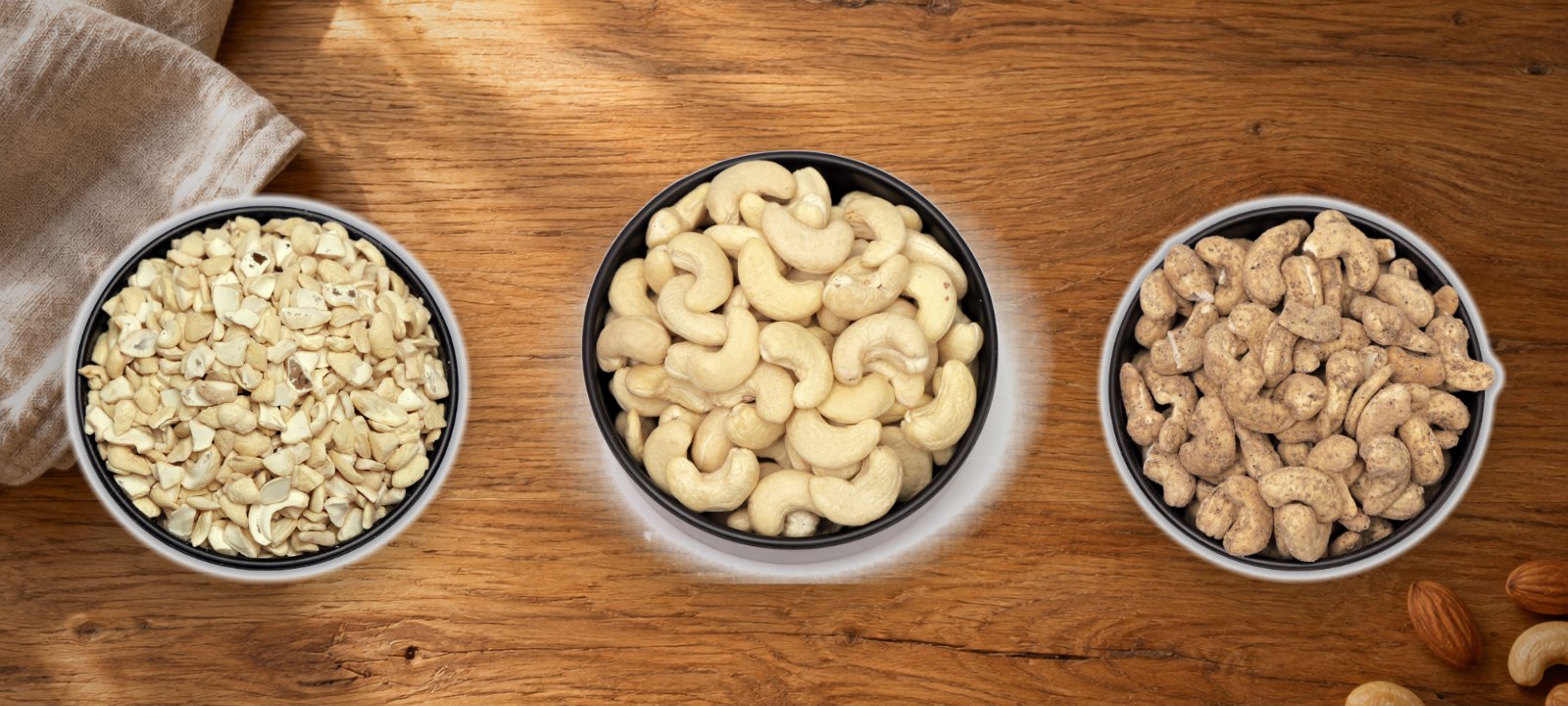
Sent here most
What Goa orders
-

- 250 g
- 500 g
- 1 kg
-

- 250 g
- 500 g
- 1 kg
-

- 250 g
-
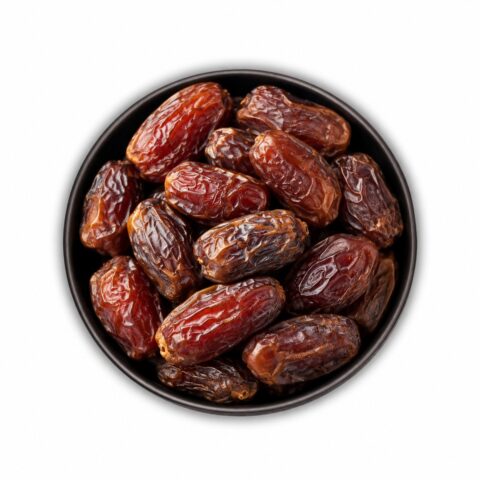
- 500 g
-

- 250 g
- 500 g
- 1 kg
-

- 250 g
-

- 250 g
-

-

- 250 g
- 500 g
-

- 250 g
- 500 g
- 1 kg
-

- 250 g
- 500 g
- 1 kg
-

- 250 g
- 500 g
- 1 kg
Cashew country, with a Christmas table
Goa is one of the few places where cashew is a local crop rather than a bought-in ingredient. The trees came with the Portuguese, orchards and small shelling units are scattered across the state, and the fruit is turned into a drink that most visitors learn about on day one. In the kitchen, the nut goes where a Goan household wants richness.
At Christmas the table fills with bebinca, a many-layered pudding of coconut milk, egg yolk, sugar and ghee that is baked one layer at a time, and with dodol, the dark, sticky sweet cooked slowly from jaggery, coconut milk and rice flour. Neureos, the half-moon pastries, are stuffed with coconut, jaggery and chopped cashew and raisins. The fruit cake is soaked weeks ahead, so people begin buying kishmish and anjeer in November.
The harvest runs from March to May. The fruit is picked, the nut twisted off and dried in the sun, and then the shell is cracked open and the kernel peeled. Goans eat the kernel roasted with salt and pepper as a bar snack, and cook it into curries and rice for weddings. That is why Goan households tend to buy cashew in larger quantities than other states, and why people care about whole, pale pieces.
Chavath, Diwali and Shigmo
Ganesh Chaturthi, which Goans call Chavath, is the largest domestic festival in the Hindu households of the state. Families come home, and the kitchen runs for days on modak, patolyo, kheer and a lot of fruit. The Diwali morning, once Narkasur has been burned, belongs to phov, flattened rice mixed with jaggery, coconut and fruit; dry fruit sneaks into it with the coconut. Shigmo in March is the spring procession festival of the Hindu community, with drums and floats and food sold along the roads.
The Muslim community buys dates and kishmish for Ramzan, and cooks sheer khurma and biryani for Eid. The same shelves in the Goan home serve every one of these calendars.
For Chavath, the modak is made two ways. The steamed ukdiche modak holds coconut and jaggery, and the fried version is often filled with the same mixture plus nuts and a pinch of nutmeg. Anyone who cooks both for the multi-day festival goes through a lot of coconut, and needs cashew and raisins on the side.
Coastal air, long monsoon
Goa gets heavy rain from June to September and humid heat for most of the other months. Anything dry takes in moisture quickly. Almonds go chewy, cashews lose their snap, and makhana goes soft within days if left open. A steel or glass jar with a tight lid is the minimum. Keep it away from the sink and the gas, scoop with a dry spoon, and finish an opened pack within six weeks in the monsoon. Dates and anjeer are safest in the fridge.
Home bakers have a habit worth copying: buy ahead for Christmas, but split the quantity into two jars, so one is not opened and closed fifty times in a humid kitchen.
Seeds and the everyday shelf
Goan cooking is built on coconut, but the pantry is wider than that. Sesame sits in the Chavath sweets, and poppy seeds thicken the gravy in some xacuti, a Goan masala curry. White sesame and pumpkin seeds are easy to keep in the same cupboard as the spices, and they suit people who prefer a snack to a sweet.
Students in Panaji and Margao, trekkers heading for the Western Ghats and families with small children also keep a jar of trail mix or plain nuts for a quick snack. Weighing out the quantity you need, instead of buying a ready-made mixed pack, keeps the cost steady.
Districts we deliver to
@D
Both districts are made up of talukas. North Goa has Pernem, Bardez, Tiswadi, Bicholim, Sattari and Ponda, and South Goa has Mormugao, Salcete, Quepem, Sanguem, Canacona and Dharbandora. The tourist belt along the beaches and the inland villages are both served.
Delivery to Goa
Parcels usually reach the state in 3-5 working days after dispatch. Inland talukas such as Sattari, Sanguem and Dharbandora can take a day or two longer in heavy rain. There is no cash on delivery. A good first stop is the nuts collection. Orders start at ₹1,000 and every order ships free. Payment is online only.
How it works
From our counter to Goa
- You pick the weight A hundred grams or a kilo. The price is per weight, and the rate is the same online as it is at the counter.
- We weigh it that day Nothing here sits in a packet waiting for an order. It is graded by hand, weighed and sealed the day it ships.
- It reaches Goa in 3-5 days Tracked, and sealed the way it left. A packet that arrives wrong or damaged is replaced.
By the shelf
Pick a shelf
-

- 250 g
- 500 g
- 1 kg
-

- 250 g
- 500 g
-

- 250 g
- 500 g
- 1 kg
-

- 250 g
- 500 g
-

- 250 g
- 500 g
-

- 250 g
- 500 g
-

- 250 g
- 500 g
- 1 kg
-
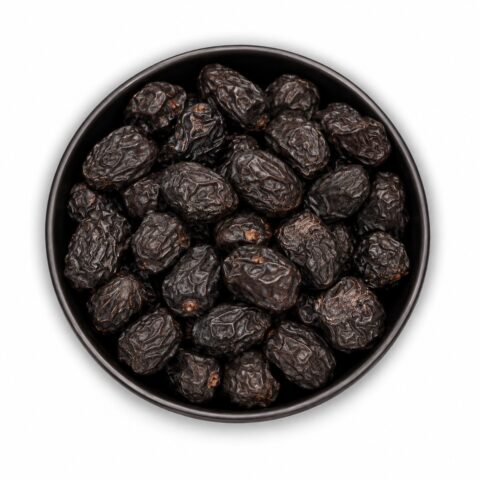
- 500 g
Asked and answered
Ordering from Goa
Do you deliver dry fruits to Goa?
Yes. We deliver across Goa, free on every order, and orders start at ₹1,000.
How long does delivery to Goa take?
Orders are packed the day they are placed and reach Goa in 3-5 days.
Is this a shop or a reseller?
A shop. Raj Dry Fruit is a family dry fruit business with its own counter in Rajasthan. Every order for Goa is weighed and sealed there, not picked from a warehouse.
Is there a minimum order for Goa?
Orders start at ₹1,000; above that you can mix any weights. Delivery to Goa is free on every order, and orders start at ₹1,000.
Is cash on delivery available in Goa?
No. Every order is paid online at checkout, by UPI, card, net banking or wallet, and is packed once the payment comes through. Delivery to Goa is free on every order, and orders start at ₹1,000.
We deliver well beyond Goa. See every city we reach ›