In this guide
Quick answer
The kaju price in Nagpur today works out to at today's shop rate for jumbo cashew, the grade most Nagpur households buy for sweets and gifting. The rate is live and changes with the raw nut market, so check it on the day you order, and compare grades before you decide.
What is the kaju rate in Nagpur today, and why does it change?
The live rate above comes straight from our shop, and it is the figure you will see at checkout. Cashew rates move because most raw nuts are imported from West Africa and processed in India, so they respond to shipping costs, the rupee against the dollar and the festival season. Demand peaks before Diwali and drops afterwards, which is why the rate often softens a little in late November.
We deliver to Nagpur, and you can read how it works on our dry fruits in Nagpur page. The rate is the same wherever you live; only the delivery time differs.
Which kaju grade does Nagpur tend to buy?
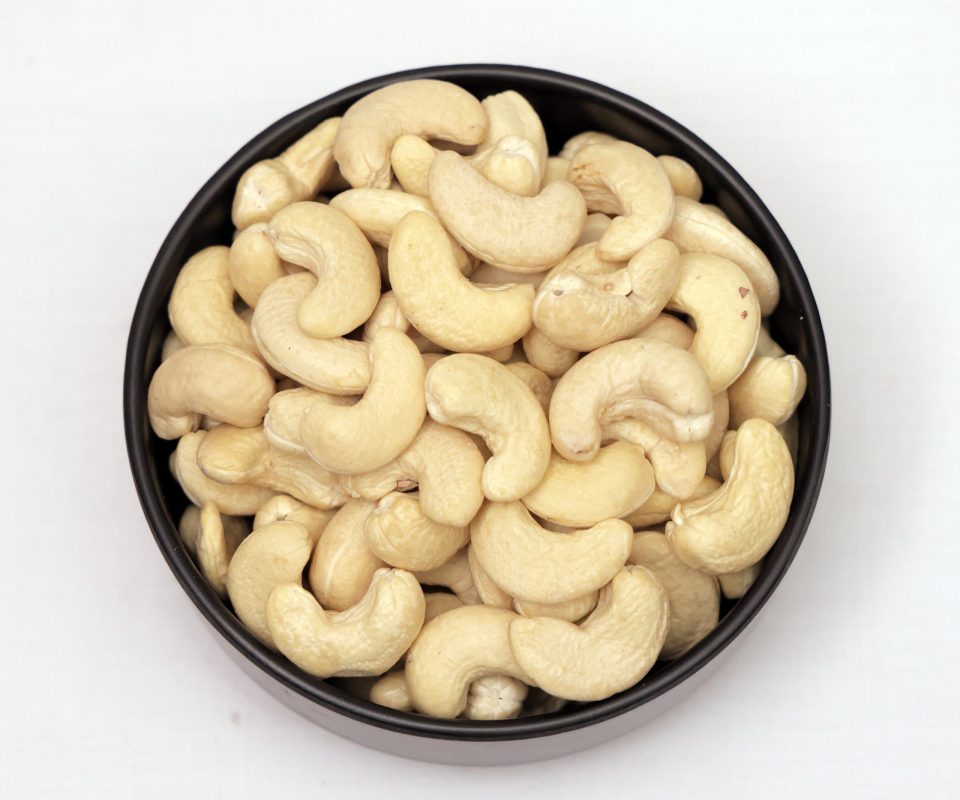
Central Maharashtra homes lean toward large, whole W320-type cashews for gifting and sweets, and toward smaller, cheaper pieces for daily cooking. A W320 kernel is whole, pale ivory and about 320 pieces to the pound. W240 is bigger and costlier, and splits or pieces are the budget end.
| Grade | What it is | Where Nagpur uses it |
|---|---|---|
| W240 | Large, whole, premium | Gift boxes, weddings |
| W320 | Whole, even, everyday premium | Kaju katli, snacking, gifting |
| W450 | Smaller whole kernels | Everyday cooking, kheer |
| Splits and pieces | Broken kernels | Gravies, pastes, bakery |
If you want to understand grades in detail, our kaju grades explained guide shows how to tell them apart by sight, and our best quality kaju checklist covers colour, smell and crunch.
What do Nagpur kitchens use kaju for?
Kaju has a place on most Nagpur menus. After Diwali, the leftover kaju katli box is still on the table, but the real use shifts to winter cooking. Dink laddoo and other winter sweets use cashew pieces, and orange barfi, the city’s best-known sweet, often gets a kaju garnish. The rich, creamy gravies of Vidarbha’s celebratory meals use cashew paste to thicken and sweeten without cream.
- Kaju katli: W320 or better, ground fine; weddings and festivals.
- Paste for gravies: splits or pieces, soaked for 20 minutes.
- Winter laddoos: roasted pieces folded into gond and dry fruit mixtures.
- Gifting: whole W240 or W320 in a neat box for wedding season.
Which other things move the price?
Four things matter most. First is the raw nut crop and import cost, because most cashew in India is processed from imported raw nuts. Second is the rupee, because a weaker rupee pushes imports up. Third is season: wedding season and Diwali pull rates up, and January to March is usually calmer. Fourth is grade and handling, as whole, evenly sized kernels cost more than pieces.
That is also why a rate quoted last week may differ today. Our guide on why dry fruit prices change explains the pattern in simple terms. For nutrition, USDA FoodData Central lists raw cashews at about 18 g protein and 553 kcal per 100 g, which you can check on its official page.
How much should a Nagpur household buy?
A family of four going through kaju katli, kheer and snacking uses about 500 g a month in a normal month and 1 kg in the festive season. After Diwali, 500 g is plenty. Pair it with almonds and walnuts for a mixed jar. Almonds work out to at today's shop rate today, and the kaju price page shows each grade in full.


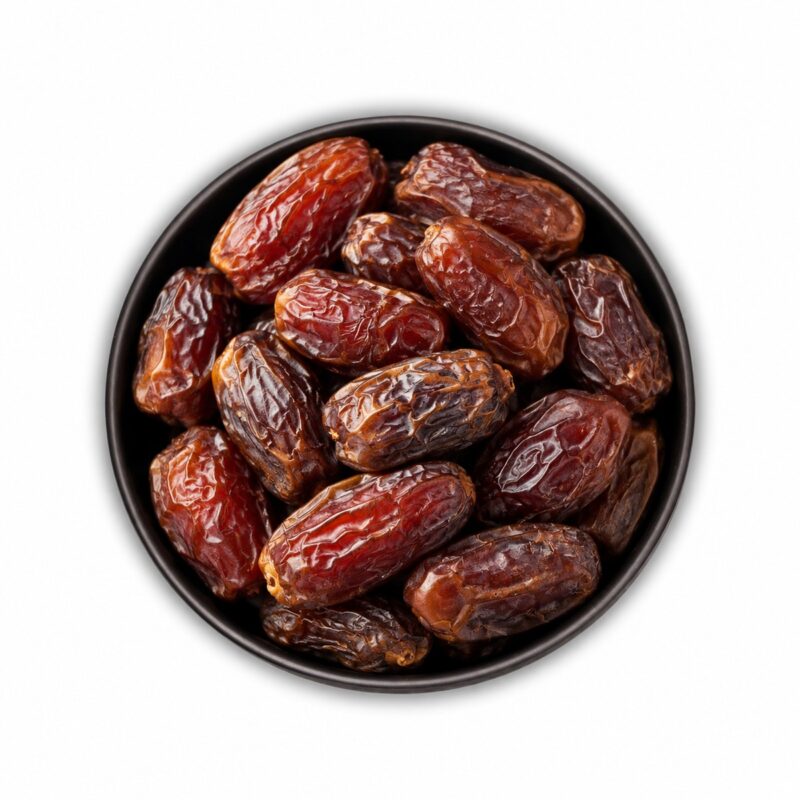
A useful household basket for a Nagpur kitchen is 500 g kaju, 500 g badam and 250 g pista. Because orders start at ₹1,000 and every order ships free, a basket like that clears the minimum and fills the festive jar. Our buy dry fruits online page explains the whole ordering process.
How do you store kaju in Nagpur weather?
Nagpur has long hot summers and a humid monsoon, and cashews pick up moisture quickly. Keep kaju in an airtight steel or glass jar, in a cool cupboard, not above the stove or near a window. A closed jar stays fresh for two to three months, and in the fridge it can last longer.
Check the jar every few weeks. Fresh kaju smells mild and sweet and breaks with a clean snap. If it smells sharp or tastes oily and bitter, it has turned. Buy in sizes you will finish in a couple of months, and decant a small portion into a daily box so the main jar is opened less often.
For the Diwali leftovers, many Nagpur homes find that the half-eaten box of kaju katli gets dry. Crumble it into warm milk or a kheer rather than throwing it out. And if you plan wedding gifting, order about two weeks ahead so the box can be filled and dispatched without rush.
Questions people ask
What is the dry fruits price in Nagpur?
Dry fruit rates in Nagpur follow the national market, and ours are shown live on each product and price page. Kaju, badam and pista change most. Check the day you order.
What is the kaju rate in Nagpur for 1 kg?
The live kaju rate appears at the top of this page and on the product page, and it covers a full kilo. Smaller packs of 250 g and 500 g are also available. The rate changes with the market, so use the live figure.
Where can I check the dry fruits rate in Nagpur today?
The shop shows the rate for every pack live, and the price pages list the current figure for each grade. You will see the same number at checkout. There is no hidden change after you add to cart.
Is there a cheaper way to buy kaju?
Choose splits or pieces for gravies and paste, and whole kernels only when you need them whole. Buy a larger pack when you use a lot, and avoid festival weeks when demand pushes rates up.
Written at our counter, where these questions get asked every week.