
In this guide
Quick answer
The best dry fruits for students exam season are walnuts, almonds and dates, about 30 g of nuts and two dates a day. They give healthy fat, protein and steady energy for long study hours. No dry fruit raises marks by itself, so pair the jar with sleep, water and proper meals.
Which dry fruits do students actually eat during exams?
Walk through any hostel in exam week and you will find the same few things: almonds, walnuts, dates and raisins. They are shelf-stable, need no cooking and fit in a drawer. Parents also trust them, which helps when you are asking for a monthly top-up.
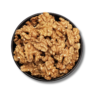
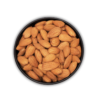
Walnuts and almonds are the usual pair. Walnuts have plant omega-3 fat, with about 65 g fat per 100 g and 15 g protein. Almonds bring 21 g protein, vitamin E and magnesium. Dates add quick carbohydrate for the 3 pm slump. All the figures here are rounded from USDA FoodData Central, and they describe nutrition, not a promise about memory or marks.

How much should a student eat a day?
For most students, 30 g of nuts and two dates a day is plenty. That is about 6 almonds plus 2 walnut halves, or a small handful of both, together with a couple of dates.
| Time | What to eat | Portion |
|---|---|---|
| Breakfast | Almonds and walnuts with milk or oats | 5 almonds, 2 walnut halves |
| Mid-morning study block | Dates for energy | 2 dates |
| Afternoon slump | Pumpkin seeds and raisins | 1 tablespoon seeds, 10 g raisins |
| Evening revision | Almonds and a few cashews | 8 almonds, 5 cashews |
| Night, last hour | Warm milk with 3 almonds, no heavy snacks | 1 glass milk |
Spread the portions through the day, because a large handful at once can make you sleepy. For more on student-friendly shelves, read our student hostel dry fruit snacks guide.
What is a study-desk jar?
It is a small jar you keep at arm’s length while studying. Fill it with a 150 g mix and refill every week. The idea is simple: when you feel hungry at 11 pm, a measured handful from the jar beats a packet of chips from the shop downstairs.
- Pick a 300 ml jar with a tight lid, steel or glass.
- Fill with 60 g almonds, 40 g walnuts, 30 g pumpkin seeds and 20 g raisins.
- Keep dates in a separate box so they do not make everything sticky.
- Take one 30 g scoop in a small bowl and put the jar away.
Using a bowl is the trick. You see exactly how much you are eating, and you do not munch on without noticing while reading. Our protein rich dry fruits page can help you tweak the mix.
What should students avoid in exam week?
Heavy, oily and very sweet snacks cause a crash an hour later. Skip fried or sugar-coated nuts, large packets of namkeen and energy drinks loaded with sugar and caffeine. A small coffee or chai is fine, but lean on water, buttermilk or coconut water for the rest of the day.
Do not skip meals and replace them with nuts either. Nuts are a supplement. A student who lives on a handful of almonds and tea is eating fat but missing vitamins, fibre and enough total energy. Eat proper meals with dal, roti, rice, vegetables and curd, and use dry fruits for the gaps.
Finally, sleep matters more than any jar. If you are staying up until 3 am, even the best snack will not rescue your concentration. Speak to your doctor if you feel unusually tired for several days.
How can a student afford it?
Share an order with roommates, buy a smaller pack of walnuts and a bigger one of almonds, and choose raisins as the cheap sweet filler. Almonds work out to at today's shop rate today and walnuts to at today's shop rate, so compare them and weigh the mix accordingly.



Because orders start at ₹1,000 and every order ships free, a shared basket works well: 500 g almonds, 500 g walnuts and 250 g dates splits easily between two or three students, or goes home as a parent-sent exam pack. See our walnut guide for how to pick fresh pieces, and check USDA FoodData Central for nutrient values.
What should parents send in an exam pack?
If you are a parent posting a box to a hostel, keep it practical. A good exam pack holds 250 g almonds, 250 g walnuts, 150 g dates, 100 g raisins and 100 g pumpkin seeds. That is about three weeks of snacks for one student at 30 g of nuts a day, and it fits in a small carton.
Add a small steel jar if you can, and a note to eat from a bowl, not the packet. Do not include salted or fried snacks; students will find those on their own. A lightly roasted mix or the ready 12 nut mix is a convenient extra if your child does not like mixing portions. Our best time to eat dry fruits guide has a quick timetable you can attach to the box.
If the student has any allergy, fill the box accordingly and check with your family doctor. And remind them that water, sleep and regular meals matter more than the jar.
Questions people ask
Which dry fruits are good for students during exams?
Walnuts, almonds, dates, raisins and pumpkin seeds are popular choices. They give healthy fat, protein and carbohydrate in small portions. Keep to 30 g of nuts a day and add dates or raisins for energy.
Do walnuts help memory in exam season?
Walnuts are a common study snack and give plant omega-3 fat. Research on memory is limited and mixed, so they should not be seen as a shortcut. They are a good food that pairs well with sleep, water and revision.
Are dry fruits for the brain a real thing?
No single food changes how your brain works overnight. A balanced diet with nuts, fruit, vegetables, protein and enough sleep supports concentration. Dry fruits are one useful part of that mix.
How many almonds should a student eat daily?
Six to ten almonds is a comfortable amount for most students. Add two walnut halves and a date. If you have a nut allergy or a medical condition, speak to your doctor before starting.
Written at our counter, where these questions get asked every week.