In this guide
Quick answer
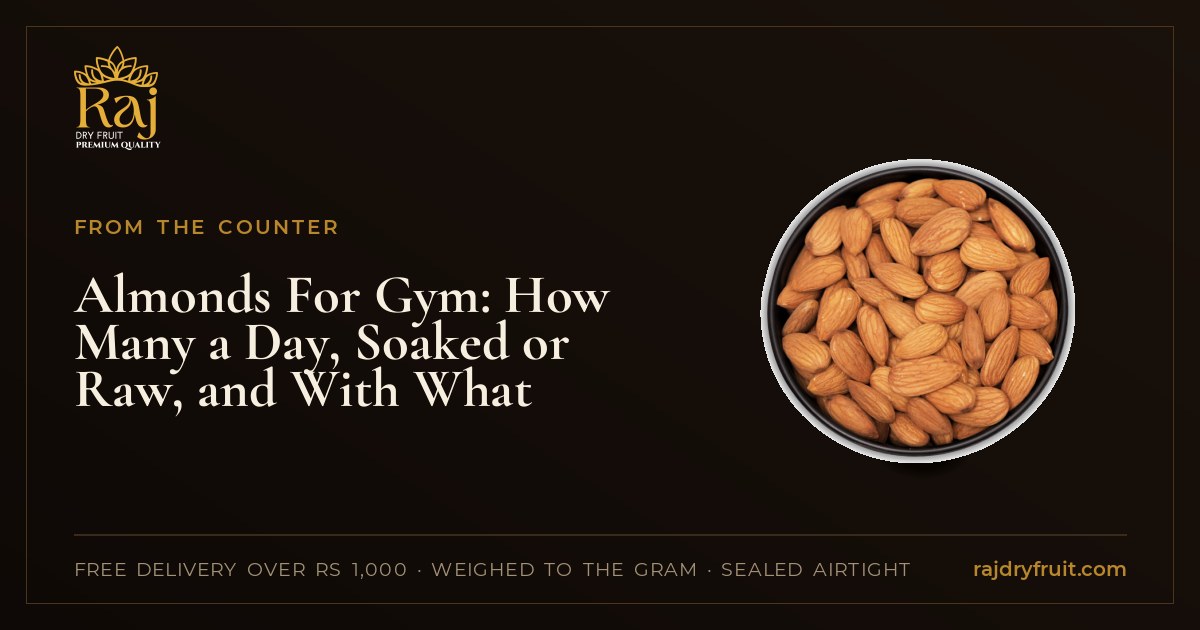
Almonds for gym diets work well at 10 to 15 pieces a day, about 12 to 18 g, which gives roughly 3 g of protein and 85 to 105 kcal. Soaked or raw both work. Go up to 25 almonds, a 30 g handful, only if your calorie needs are higher.
How many almonds a day is right for a gym diet?
There is no single number, but there is a sensible range. A beginner with a normal diet does well with 10 to 12 almonds. A regular lifter or runner eating more calories can go to 20 or 25. Above 30 g a day, calories add up fast: 30 g is about 175 kcal, and 100 g is 579 kcal, according to USDA FoodData Central.
Nutritionally, 30 g of almonds gives about 6 g protein, 15 g fat (mostly unsaturated), 3.5 g fibre and a good amount of vitamin E and magnesium. They are a supporting player, not the star, and our guide on how many almonds a day covers general daily limits too.

Are soaked almonds better than raw ones?
Soaking is mostly about texture and habit. Soaked almonds are softer, the skin peels easily, and many people find them gentler on the stomach. Raw almonds are crunchier and slightly more filling because you chew longer. Nutrition-wise, the difference is small.
| Soaked almonds | Raw almonds | |
|---|---|---|
| Texture | Soft, easy to chew | Crunchy, dense |
| Prep | 6 to 8 hours in water, peel | None |
| Best time | Morning, before training | Any time, on the go |
| Shelf life | Eat the same day or keep 24 hours in the fridge | Several weeks in a jar |
| Typical portion | 5 to 8 pieces | 10 to 15 pieces |
If mornings are rushed, soak the night before in a bowl by the sink and eat them with breakfast. Our soaked almonds guide explains the method. On busy days, a small box of raw almonds in the gym bag is just as good.
What should you eat almonds with?
Almonds are a fat and protein food, so pair them with something that adds carbohydrate or extra protein depending on the moment.
- Before training: 5 or 6 almonds with 2 dates, about an hour ahead.
- After training: 10 to 15 almonds with curd or milk.
- At breakfast: chopped into oats, upma or poha for crunch.
- Evening: a handful mixed with pumpkin seeds and raisins.
For other protein-rich options, see the protein rich dry fruits page. And if you plan a mix, our trail mix guide shows the ratio.
Which almond grade should a gym-goer buy?
For daily eating, plain jumbo or regular Californian-style almonds are the practical pick. They are even, clean and good value. Mamra almonds are richer, oilier and costly; they are lovely for gifting, but unnecessary for everyday gym use. Our types of almonds in India post explains the difference.
When you buy, look for kernels of similar size, a light brown colour with no dark spots, and a mild, sweet smell. If almonds taste bitter or smell like old paint, they have gone rancid. Store in an airtight jar away from heat, and use within two months for best flavour.
What should a month of almonds look like?
At 15 almonds a day, one person eats about 220 g a month. At 25 a day, it is closer to 375 g. Walnuts, the usual partner, come to at today's shop rate today. A 500 g pack therefore covers one person for a month or two, depending on appetite. Almonds work out to at today's shop rate today, and the badam price page shows each grade.


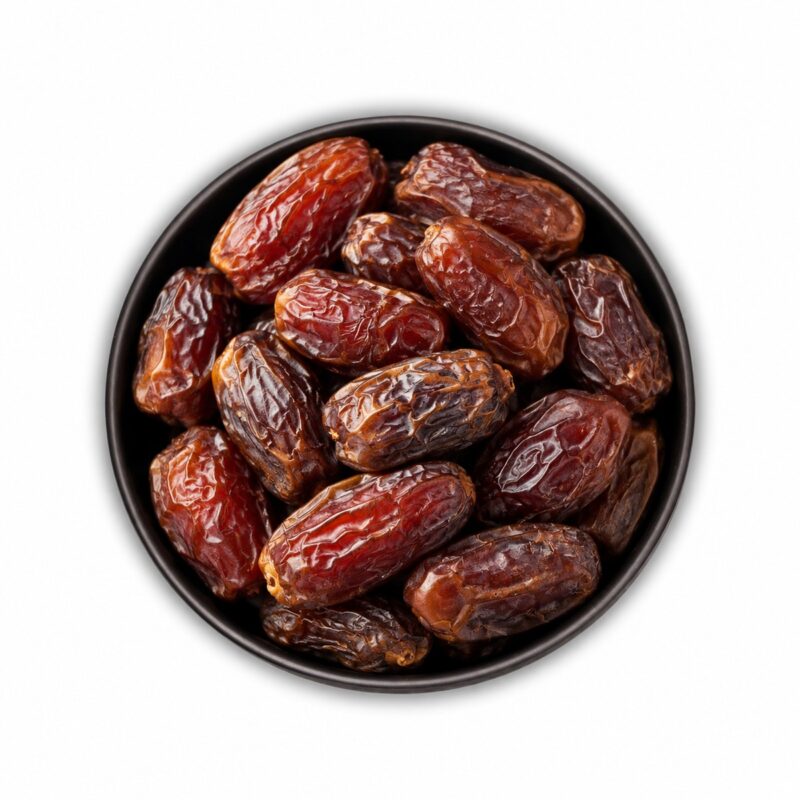
To make the basket useful for the whole house, pair almonds with a few companions, and orders start at ₹1,000 and every order ships free, and a sensible household combination is 500 g almonds, 500 g walnuts and 250 g dates. You can check nutrient figures in USDA FoodData Central before you decide on quantities.
What mistakes spoil an almond habit?
The first is eating almonds from the packet while working, which makes 30 g turn into 80 g without notice. Portion them into a small box. The second is buying a huge pack that sits open for months; nuts are best within a couple of months of opening, so choose a pack you will finish.
The third is chasing the label “king of nuts” and forgetting the rest of the plate. A gym diet is built on regular meals with dal, eggs, paneer or chicken, vegetables, roti or rice and curd. Almonds support that base. The fourth is ignoring allergies; if anyone at home has a tree nut allergy, keep almonds in a separate, clearly marked jar and speak to your doctor.
Finally, avoid sugar-coated or fried almonds on a regular basis. They taste good, but they bring extra oil and sugar that change the picture. Plain almonds, raw or dry-roasted, are the reliable choice for a gym jar.
Questions people ask
How many almonds a day for a gym diet?
Ten to fifteen almonds is the usual range for most people, with up to 25 if calories need to be higher. Spread them over breakfast, pre-gym and post-gym. Adjust to your body size and goal.
Are badam for gym better soaked or dry?
Both give the same basic nutrition. Soaked almonds are softer and easier to digest, while dry ones are crunchy and more convenient. Choose whichever you will eat consistently.
Can almonds for muscle replace protein powder?
No. A 30 g handful of almonds gives about 6 g of protein, while a scoop of protein powder gives 20 to 25 g. Almonds are good food, not a replacement. Use them to add calories and nutrients to your meals.
Can I eat almonds every day if I go to the gym?
Yes, a measured handful is fine for most people. If you have a nut allergy, kidney concerns or a special diet, speak to your doctor first. Otherwise a daily portion is a simple habit to keep.
Written at our counter, where these questions get asked every week.