
In this guide
Quick answer
The medjool dates price in India sits well above ordinary khajur because Medjool is the largest, softest date in the trade and almost all of it is imported. Size is the biggest factor: larger grades cost more per kilo. The live pack prices below update with each lot, and the rate often firms before Diwali.
What do Medjool dates cost today?
Our Medjool Dates are priced at at today's shop rate by pack, and that figure changes when a new lot comes in. Across all the dates we keep, from everyday black khajur to Ajwa and Medjool, khajur works out to at today's shop rate today, with Medjool at the top end of that range. The khajur price page lists every variety side by side.
The price is the same whether you order from Mumbai, Delhi, Bangalore or a smaller town; every pack is weighed and sealed on the day it ships, and every order ships free.
Why does Medjool cost more than other dates?
Three reasons, and none of them is branding.
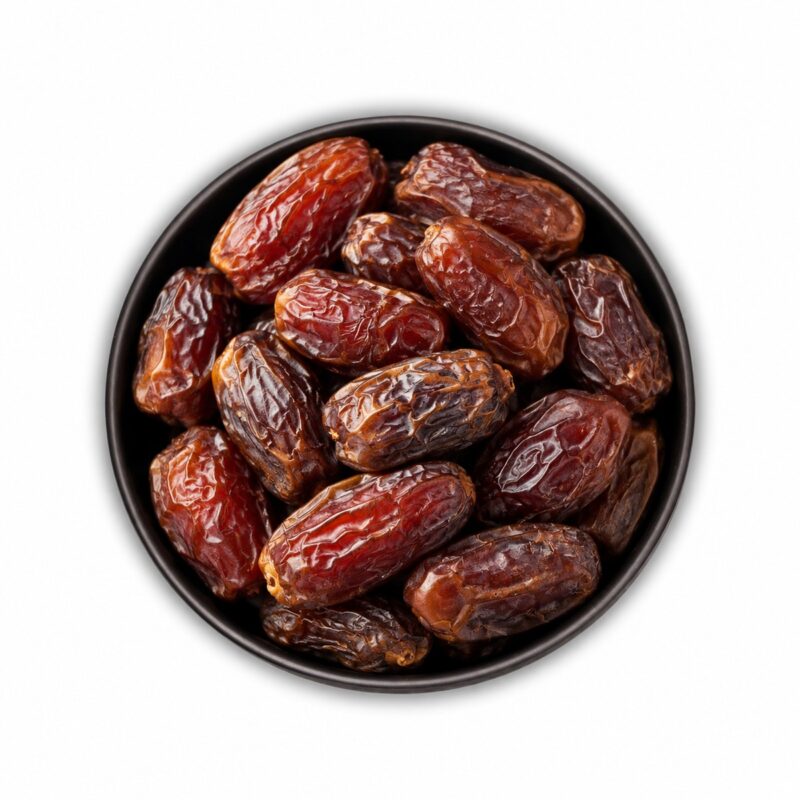
- Size: a single Medjool can weigh 20 to 25 g, against 5 to 10 g for most khajur. You are buying more fruit per date.
- Origin: Medjool is grown mainly in Jordan, Israel and the Palestinian territories, the United States, Morocco and a few other dry regions. Nearly every Medjool sold in India is imported, so freight, duty and the rupee all sit in the price.
- Yield: Medjool palms are thinned by hand to grow fewer, bigger fruit, and the fruit is soft enough that it bruises if handled roughly.
Nutritionally, Medjool is a concentrated fruit. USDA FoodData Central lists about 277 kcal, 66 g of natural sugar, 7 g of fibre and nearly 700 mg of potassium per 100 g, which is why two or three a day is the usual portion. If you are managing blood sugar, speak to your doctor about how many suit you.
How do Medjool sizes compare?
| Trade size | Approximate weight per date | Dates per 500 g | Best for |
|---|---|---|---|
| Super Jumbo | 25 g and above | About 18 to 20 | Gift boxes, wedding trays |
| Jumbo | 20 to 25 g | About 20 to 25 | Gifting and guests |
| Large | 16 to 20 g | About 25 to 30 | Daily eating, iftar, after a fast |
| Medium | Under 16 g | About 30 to 35 | Smoothies, stuffing, baking |
Sizes vary between growers and packers, so read these as a guide. Within the same lot, a larger date costs more per kilo but tastes the same. For eating at home, the middle sizes are the sensible buy; for a gift box, the larger ones look generous. Our Medjool dates guide covers how to judge quality.
Medjool, Ajwa or Kalmi: which date should you buy?
Medjool is not the only premium date, and it is not always the right one.
- Medjool: big, soft, caramel-sweet. The gift date and the one to break a fast with.
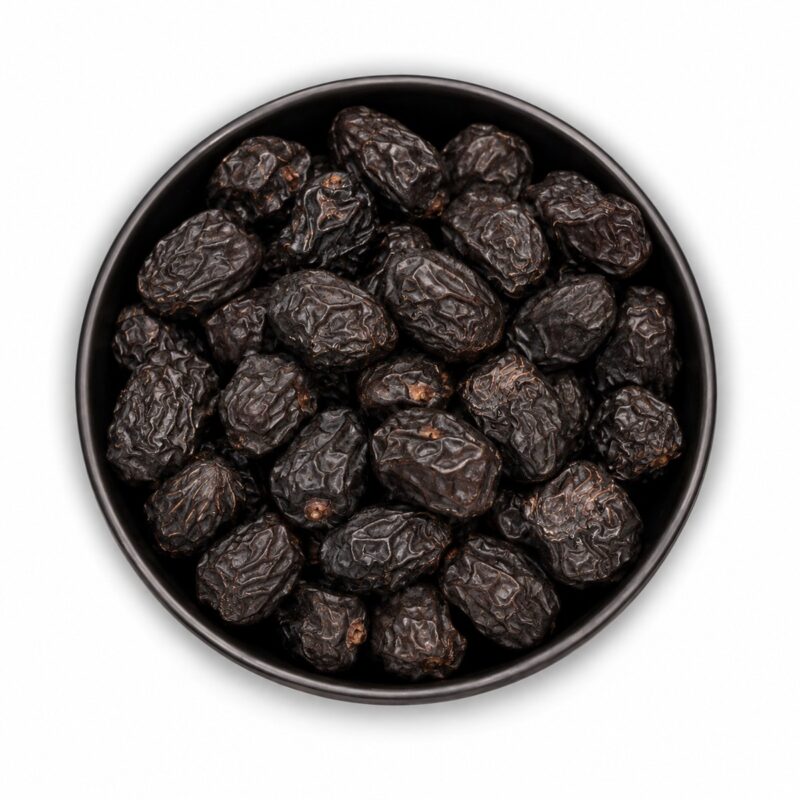
- Ajwa: smaller, dark, from Madinah, with a dry, prune-like richness. Bought by many families for religious reasons as much as taste. Pack prices are at today's shop rate.
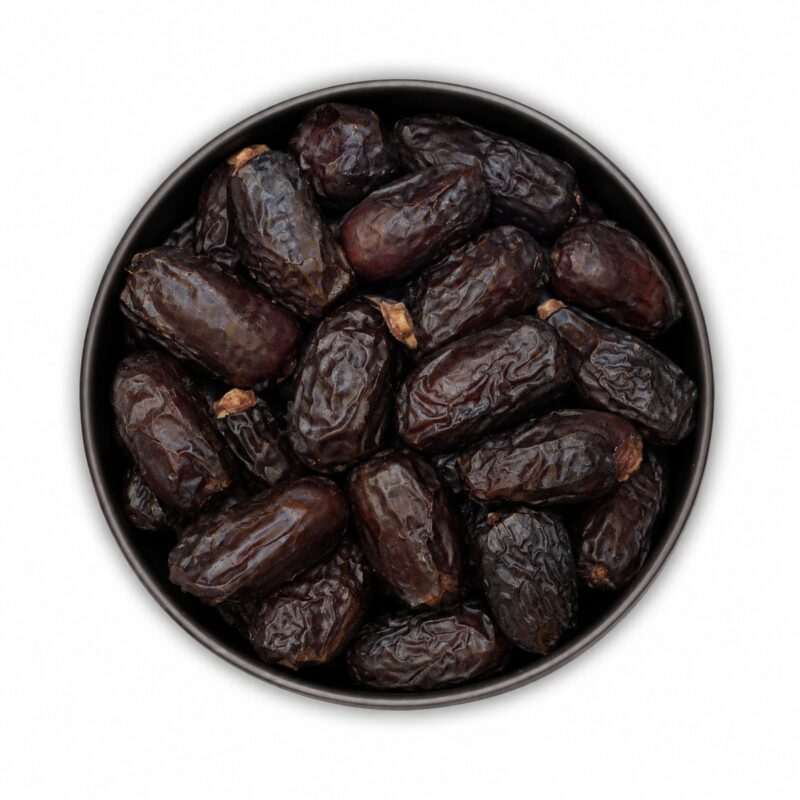
- Kalmi or Safawi: long, dark and chewy, from Saudi Arabia; a good everyday premium date at a lower rate than Medjool.
If you want soft and luxurious, choose Medjool. If you want the date of Madinah, choose Ajwa. If you want a daily date that is still a step above ordinary khajur, choose Kalmi. Our page on premium dates lays out every option.
Why does the Medjool rate swing before Diwali?
Medjool is harvested from late summer into autumn, and the new crop reaches India around October and November, which overlaps exactly with Diwali and the wedding season. Demand for gift boxes and wedding trays rises just as importers are paying for fresh stock. When the rupee weakens in the same weeks, the landed cost climbs further. The result is a rate that can firm in October and settle again after the new year. Buying a month’s supply in the last week of October usually means fresh stock at a settled rate.
How should Medjool be stored, and what is a sensible order?
Medjool is a soft, moist date, and it keeps best cold. In the fridge, in a sealed box, it stays soft for two to three months; at room temperature in a warm Indian kitchen, use it within a few weeks. Bring it out ten minutes before eating so it softens.
Our orders start at ₹1,000 and every order ships free. A sensible first order is 500 g of Medjool for the house, 250 g of Ajwa, and 500 g of kaju or badam to round out the month. If you are building a Diwali tray, add Kalmi dates for a second colour; our guide to the types of dates explains each one. Dispatch is within three working days, and most cities, including Mumbai, receive orders two to six days later.
Questions people ask
What is the Medjool dates price 1kg in India?
Work it out from the live pack prices shown above, which change with each lot. Larger size grades sit higher per kilo, so check which size a seller is quoting before comparing.
What is the Medjool dates price in Mumbai?
The same as anywhere else in India; the price is set by the lot, not the city. Mumbai orders usually arrive two to six days after dispatch.
Are Medjool dates worth the price?
For gifts, guests and breaking a fast, many families think so: one Medjool equals two or three ordinary dates in size and is far softer. For cooking or smoothies, a cheaper date works as well.
How many Medjool dates should you eat a day?
Two or three is the usual portion, given their size and sugar. Children often do well with one.
We deliver across India See 87 city pages
Written at our counter, where these questions get asked every week.


