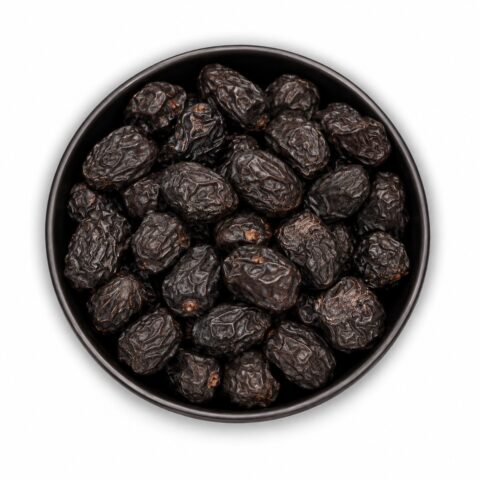


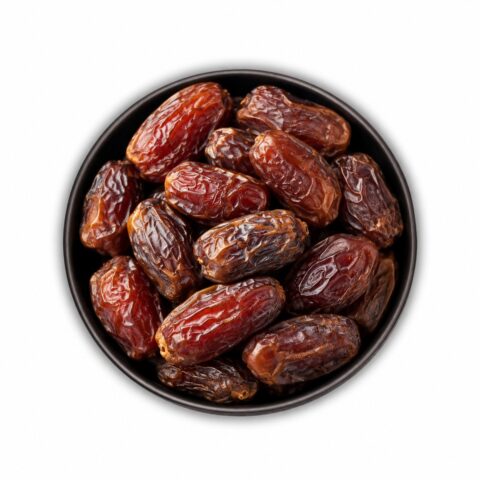
Khajur prices form a ladder rather than one figure. Soft, large, hand-packed dates sit at the top, semi-dry ones in the middle, and the everyday dry sorts at the bottom. Variety, size, moisture and how carefully a lot has been graded decide where you land. Today’s rate for each is below.
What is the price ladder in khajur?
At the top sit the big soft dates, Medjool most of all, because the fruit is large, the flesh is thick and the whole lot is graded and trayed by hand. Ajwa usually sits high too, for a different reason: it is a small date from a limited supply that is asked for far more often than it turns up. Kimia is next, a very soft, dark, almost jammy date that needs cool handling the whole way, and that care is part of the rate.
The middle of the ladder is where most homes buy. Kalmi and Safawi are long, dark, semi-dry dates, chewy rather than sticky, easy to serve and easy to keep. Fard is a smaller soft-dark date with a thin skin and a clean sweetness. At the foot of the ladder are the plain dry khajur, honest fruit for cooking and daily eating.
| Variety | Size and look | Texture | Best for |
|---|---|---|---|
| Medjool | Large, plump, wrinkled, reddish brown | Soft and fleshy, caramel-like | Gifting, stuffing, serving to guests |
| Ajwa | Small, dark, fine even wrinkles | Soft but not wet, mildly sweet | Eating a few at a time, gifting |
| Kimia | Medium, very dark, glossy | Very soft, almost jammy | Shakes, eating chilled, desserts |
| Kalmi and Safawi | Long, slim, dark brown | Semi-dry, chewy, holds shape | Everyday eating, lunch boxes |
| Fard | Small to medium, dark, thin skin | Soft, clean sweetness | Daily eating, sweets |
| Plain dry khajur | Firm, paler, uneven | Dry and chewy | Cooking, chutney, grinding into paste |
Soft, semi-dry and dry, the real dividing line
Ask how much water is left in the fruit. A soft date is heavy, sticks slightly to the fingers and has to be kept cool. A semi-dry date is chewy and keeps happily in a tin. A dry date is firm, travels anywhere and comes back to life in warm milk. Moisture is what you are really paying for, because the wetter the date, the more careful the storage and the journey have to be.
It also decides how a date behaves in your kitchen: soft ones stuff and slice, semi-dry ones hold shape in a lunch box, dry ones grind into a paste. Our note on judging a good khajur covers the tells.
Why does Ajwa cost what it does?
Supply and demand, plainly. Ajwa comes from a small growing area and reaches counters like ours in limited quantities, while the number of people asking for it by name keeps rising and spikes in Ramadan. Small fruit also means more pieces to sort per kilo, and Ajwa is graded by hand. We claim nothing more for it than that: a fine, mildly sweet date, dear because there is not much of it.
Where we send it
Dates are packed at our counter in Rajasthan and go out in the cooler part of the day where we can. Ahmedabad and Surat are usually 2-4 days, Udaipur 1-2, Hyderabad 3-5 and Chennai 4-6. Across the country, orders start at ₹1,000 and every order ships free. The khajur shelf shows what is in today, and dates sit well in a gift box with nuts alongside.
Questions people ask
What is the price of 1 kg khajur?
There is no one figure, because khajur runs from plain dry dates to Medjool and Ajwa. The rate also moves with the crop and the season. The panel above carries today’s figure for each variety and pack size, and a kilo works out at roughly the pack rate.
Which khajur is the sweetest?
The soft ones, and Kimia most of all, which is close to jam in a skin. Medjool is sweet in a fuller, caramel way. Ajwa is the mildest of the lot, which surprises people who expect the dearest date to be the sweetest.
Why are there white crystals on my dates?
That is the date’s own sugar surfacing, common in soft varieties and in anything that has been kept cool. It is not mould, which is fuzzy and smells sour. A few minutes at room temperature usually settles the look of it.
How should khajur be stored?
Soft varieties belong in an airtight box in the fridge, and they are better eaten slightly cool. Semi-dry and dry dates keep in a cupboard as long as the box shuts properly and the stove is not next to it.
Today’s rate for something else: Kaju · Badam · Mamra badam · Anjeer · Akhrot · Kishmish · Makhana · Pista · Charoli