
In this guide
Quick answer
The high protein dry fruits are pumpkin seeds at about 30 g protein per 100 g, then almonds and sunflower seeds near 21 g, pistachios at 20 g and cashews at 18 g. A 30 g handful of these gives roughly 5 to 9 g of protein.
Which dry fruits have the most protein per 100 g?
Seeds lead the table, nuts follow, and dried fruit sits at the bottom. These are rounded USDA FoodData Central values for raw products, so use them for comparison, not as a promise for every pack.
| Rank | Dry fruit | Protein per 100 g | Per 30 g handful |
|---|---|---|---|
| 1 | Pumpkin seeds | 30 g | 9 g |
| 2 | Peanuts (for comparison) | 26 g | 8 g |
| 3 | Almonds (badam) | 21 g | 6 g |
| 4 | Sunflower seeds | 21 g | 6 g |
| 5 | Pistachio (pista) | 20 g | 6 g |
| 6 | Cashew (kaju) | 18 g | 5 g |
| 7 | Chia seeds | 17 g | 5 g |
| 8 | Walnut (akhrot) | 15 g | 4.5 g |
| 9 | Dates, raisins, anjeer | 2 to 3 g | under 1 g |
The numbers come from the USDA FoodData Central database. Our own protein rich dry fruits page shows which of these are in stock right now.

Is per 100 g the right way to compare?
Not on its own. Nobody eats 100 g of pumpkin seeds in one sitting, and 100 g of almonds is about 579 kcal. A handful is the honest unit, and that is why the last column matters. A 30 g handful of almonds gives 6 g protein and about 175 kcal; a 30 g handful of pumpkin seeds gives 9 g protein and about 168 kcal.
Also look at what comes with the protein. Walnuts are lowest in protein of the nuts but high in plant omega-3 fat. Chia brings fibre. Pistachios are a little lighter in calories than most nuts. So the “highest” is not always the best choice for you.
How much protein can dry fruits realistically add in a day?
Think of them as a top-up. A mixed 40 g portion of pumpkin seeds, almonds and pistachios adds about 9 to 10 g of protein. An egg has around 6 g, a bowl of dal 8 to 10 g, and a glass of milk about 8 g. So nuts and seeds help, but they sit beside real meals.
- Add 15 g pumpkin seeds to your breakfast bowl or curd (about 4.5 g protein).
- Take 10 almonds mid-morning (about 3.5 g).
- Keep 20 g pista or cashew for the evening (about 4 g).
That plan gives roughly 12 g protein and 300 kcal from dry fruits alone. Speak to your doctor or dietitian if you track protein for a medical reason.
What should the monthly jar look like?
For one person at 40 g a day, buy 600 g in the month: 250 g pumpkin seeds, 200 g almonds and 150 g pistachio kernels. Pumpkin seeds cost less per gram of protein than most nuts, so they carry the budget. Almonds work out to at today's shop rate today and pista to at today's shop rate, so check the live rates before you split the weight.


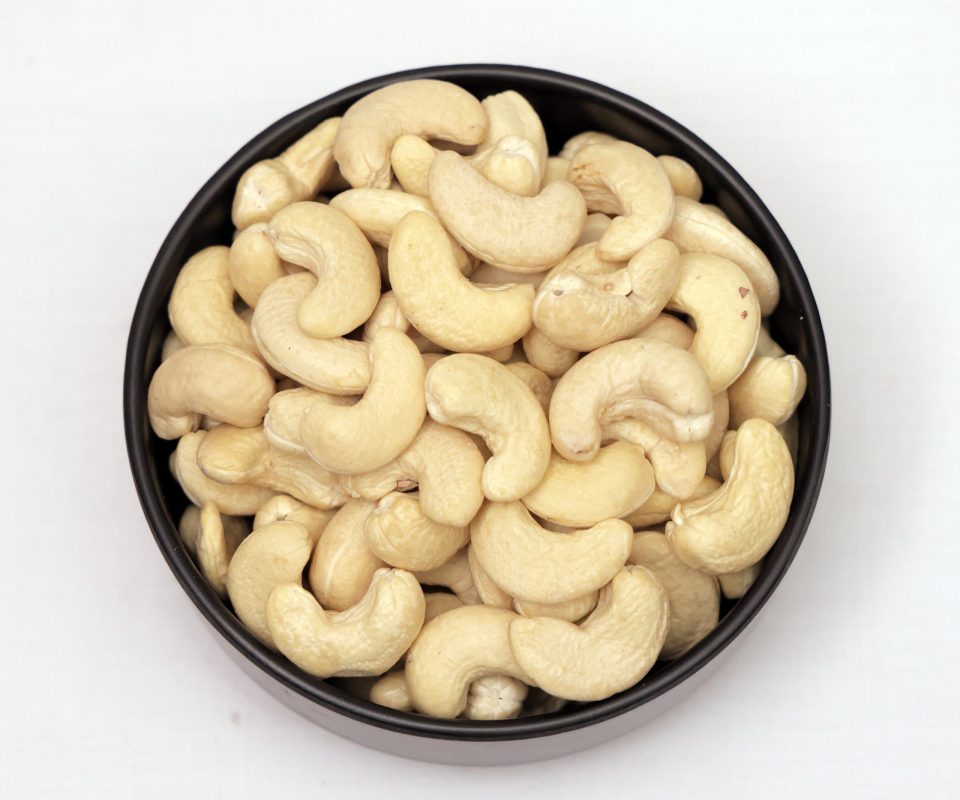
Families can scale up, and orders start at ₹1,000 and every order ships free, so a good household basket is 500 g almonds, 500 g pumpkin seeds and 250 g pista. Add a packet of the trial mix with 12 nuts and dry fruits for variety, and see our protein in dry fruits guide for more.
Which of these is best value for protein?
Pumpkin seeds usually win on protein per rupee, which is why gym-goers on a budget keep a bag at home. Almonds are the all-rounder, with 21 g protein and an easy, mild taste. Pistachios cost more but are fun to eat, and shelling them slows you down, so you eat less in one go. Cashews are creamier and popular with kids, though they carry a little less protein.
Chia and flax are not “nuts”, yet a spoon of either in curd or a smoothie adds protein and fibre for very little money. Our guide to how to eat chia seeds shows three easy ways.
One thing to watch is processing. Plain raw or dry-roasted pieces keep the protein figure honest. Masala-coated, candied or fried versions add salt, sugar and oil, which changes the calories though not the protein. Choose plain for the jar and keep flavoured nuts for an occasional snack.
Questions people ask
Which dry fruit has the highest protein?
Pumpkin seeds, at about 30 g per 100 g, lead the usual dry fruit and seed list. Among classic nuts, almonds are highest at about 21 g. Peanuts are higher still, though they are a legume.
What are the best dry fruits for protein for vegetarians?
Pumpkin seeds, almonds, pistachios, cashews and chia all work well. Eat them with dal, curd or milk to round out a vegetarian day. Rotating them also gives you a wider range of minerals.
How much protein is in 10 almonds?
Ten almonds weigh about 12 g and give roughly 2.5 g of protein and 70 kcal. Doubling that to 20 almonds gives about 5 g. So a daily 30 g handful of almonds means about 25 pieces.
Is protein in nuts and seeds enough for muscle building?
It helps but it is rarely enough alone. Meals with dal, eggs, paneer, curd or milk do most of the work. Nuts and seeds fill the gaps between meals; check your daily target with a dietitian.
Written at our counter, where these questions get asked every week.