


Before and after: the short answer
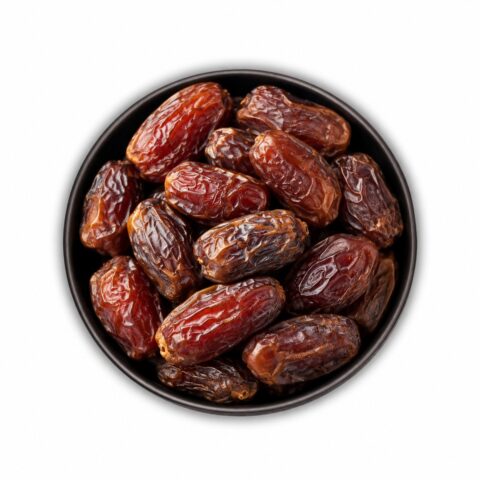
Eat 2 to 3 Medjool dates about 45 minutes before a run for quick carbohydrate, and a handful of nuts and seeds, about 30 g, within an hour after it. Dates give sugar your legs can use fast. Nuts and seeds give protein and fat that keep you full after the effort.
Beginners often ask whether they need any of this at all. For a 5K or shorter at an easy pace, you do not: water is enough. Dried fruit starts to help once a session passes about an hour, or when you train before breakfast and feel empty by the end.
How much for each kind of session
- Easy 5K, early morning: 2 dates, 30 minutes before. Water only on the run.
- 10K or 90 minute ride: 3 dates 45 minutes before, and 1 tbsp kishmish (raisins) halfway.
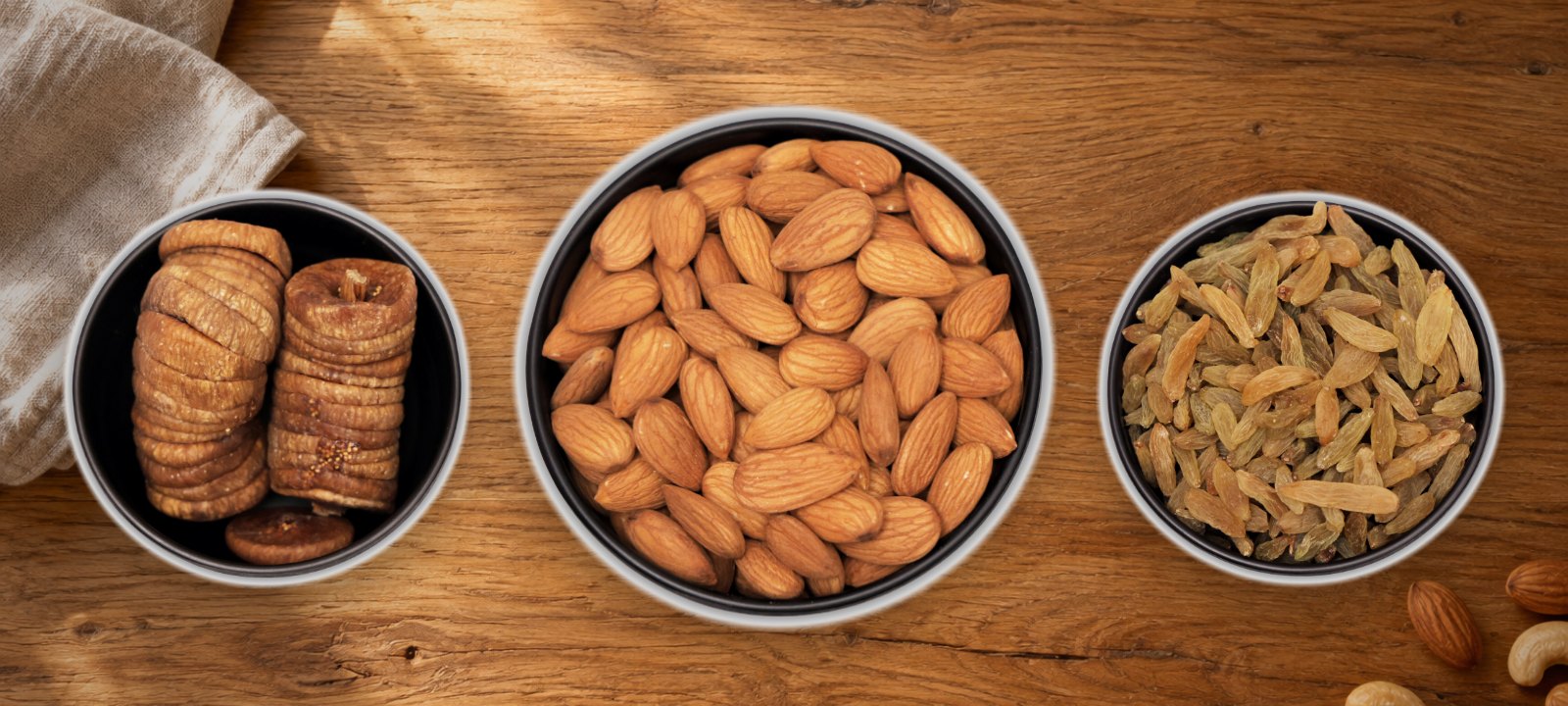
- Long run of 15 km or a 3 hour ride: 2 dates before, then 2 pieces of anjeer (figs) or 15 g raisins every 40 minutes, with water.
- After any of these: 8 badam (almonds), 2 tbsp pumpkin seeds and 2 walnut kernels, with a glass of milk or curd.
Carbs and protein per piece
| Item | Piece or portion | Carbs (g) | Protein (g) | Best used |
|---|---|---|---|---|
| Medjool date | 1 piece, 24 g | 18 | 0.4 | Before and during |
| Raisins | 1 tbsp, 10 g | 8 | 0.3 | During |
| Anjeer | 1 piece, 20 g | 13 | 0.7 | During long efforts |
| Badam | 8 pieces, 10 g | 2 | 2 | After |
| Pumpkin seeds | 2 tbsp, 20 g | 2 | 6 | After |
| Makhana, roasted | 1 bowl, 25 g | 18 | 2.5 | Light pre-run snack |
Timing and small habits
Keep new foods out of race day. Try each snack on a normal training run first, and see how your stomach handles it at your usual pace. Nuts are best after the run, because their fat is slow to digest and can sit heavy while you are moving.
Carry dates with the stones removed in a small zip pouch, and cut anjeer in halves so they are easy to pull out with cold fingers. Drink water with every dried-fruit serving, because dried fruit is concentrated and needs fluid alongside it.
Hydration and salt matter as much as the fruit itself. On runs longer than an hour in Indian summer, drink small sips every 15 minutes and add a pinch of salt to your water bottle. Dates and raisins work well alongside that, because they give energy in a form that needs no cooking and no packet.
On the day after a hard session, keep the same pattern: a few dates with breakfast, and a handful of nuts and seeds with lunch or curd. Rest days need less sugar and the same amount of protein, so cut the dates to one or skip them. Track how you feel across a few weeks and adjust the pieces up or down by one.
A month of training: shopping list
For about four sessions a week, this list is a good start:
- Medjool dates: 1 kg
- Kishmish: 250 g
- Anjeer: 250 g
- Badam: 500 g
- Pumpkin seeds: 250 g
- Walnut kernels: 250 g
- Makhana: 250 g
More options sit in the dates collection, and the protein rich dry fruits guide lists the top nuts per 100 g. Running clubs can order one shared hamper for the group. Orders start at ₹1,000 and every order ships free. Payment is online only.
Questions people ask
How many dates should I eat before a run?
Two to three Medjool dates, 30 to 45 minutes before, suit most runs under 10 km. Try the amount on a training run first to see how it sits.
Are nuts good before a run?
Nuts are better after a run. Their fat digests slowly and can feel heavy while moving, so keep a handful of badam and seeds for the hour after you finish.
What can I carry on a three hour ride?
Dates, anjeer and raisins travel well and give carbohydrate in small pieces. Eat a piece or two every 40 minutes and drink water alongside.
How should I store dried fruit for training?
Keep it in an airtight jar at home and pack a day of portions into a small zip pouch. Remove date stones beforehand so eating on the move is easy.