




The planning rule in one line
For a wedding, plan 100 g of dry fruits per guest for return gifts, 500 g to 1 kg per shagun thal, and 250 g per family tray for mameru or ring ceremonies. Add 10 percent for last minute additions. Order three to four weeks before the first function so you have time for packing and tasting.
Cost is easiest to control in the mix. Badam and kaju carry the volume, and premium items like Mamra badam, pista and anjeer go in smaller amounts where they show. Ask for the gram weights per tray in writing, so the family and the caterer agree before the day.
What goes into each tray
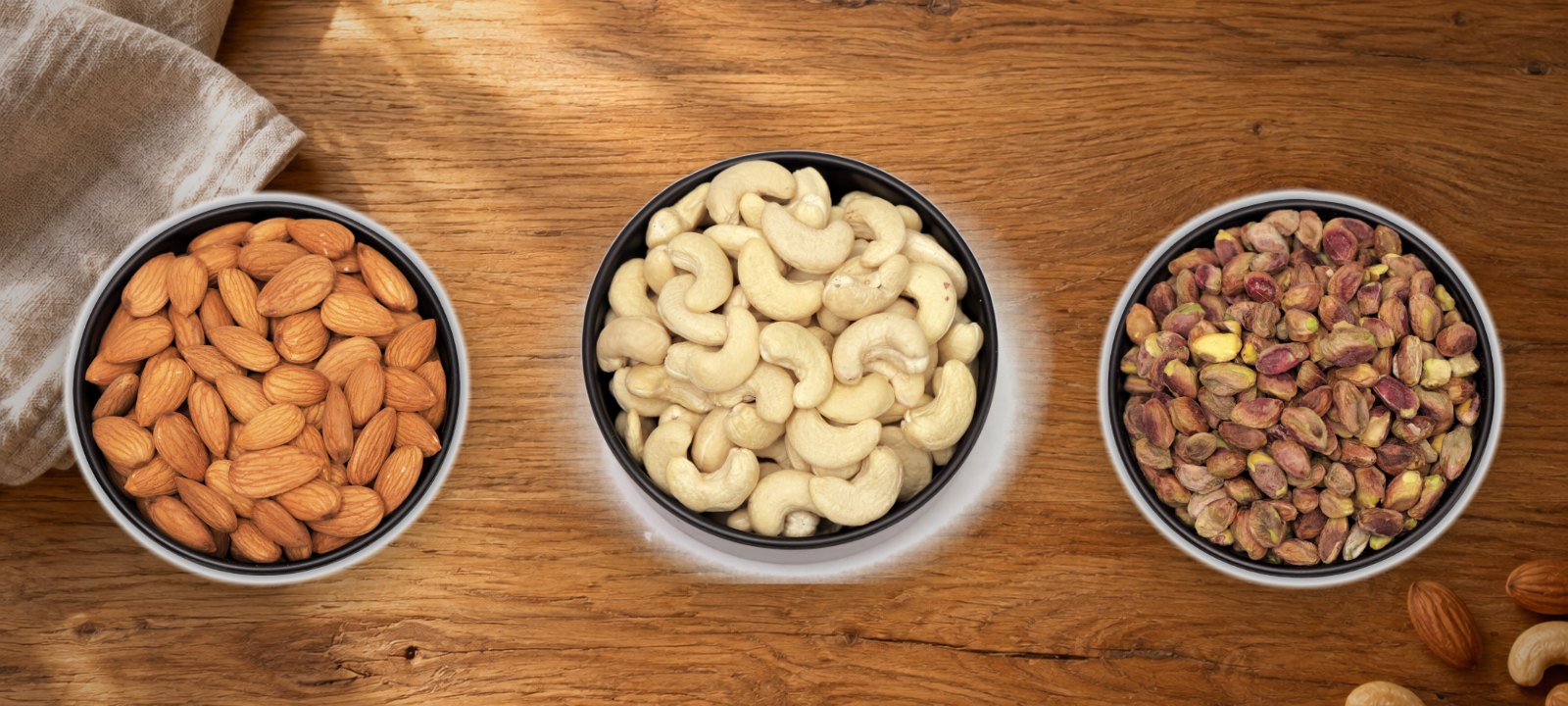
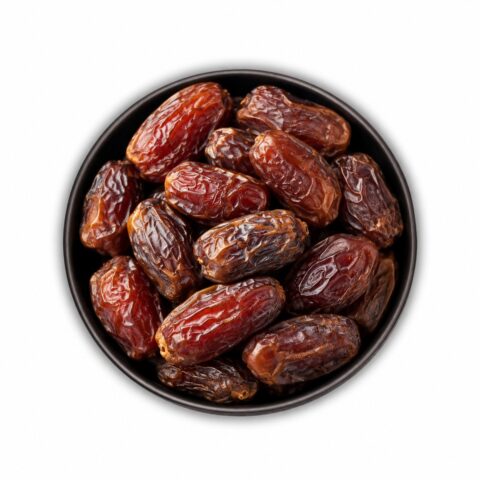
- Shagun thal: 250 g badam (almonds), 250 g kaju (cashew), 100 g pista (pistachio), and 250 g dates. Premium families add Mamra badam on top.
- Mameru and bhaat: 1 kg mixed, with anjeer (figs) and kishmish (raisins) for variety and fuller volume on the tray.
- Ring ceremony and roka: a small matching pair of boxes, 250 g each.
- Return gift per guest: 100 g of kaju, badam and makhana (fox nuts) in a sealed pouch or box.
Quantity by guest count
| Guests | Return gifts at 100 g | Shagun thals (6) | Mameru trays (4) | Total, with 10 percent extra |
|---|---|---|---|---|
| 100 | 10 kg | 4.5 kg | 4 kg | about 21 kg |
| 250 | 25 kg | 4.5 kg | 4 kg | about 37 kg |
| 500 | 50 kg | 4.5 kg | 4 kg | about 64 kg |
For big receptions with a mix of close family and distant guests, send 100 g to the close family and 50 g to the rest. That brings the return gift total down by about a third and still fills a neat box.
Choosing the mix
Kaju and badam are the safest for all age groups. Pista adds colour and is liked by elders. Dates suit Muslim and Gujarati ceremonies, and makhana suits families who want a lighter gift. Ask the family about any nut allergy before you finalise; a separate seed and dates box is a simple workaround.
Everything is weighed to the gram and sealed airtight, so trays can be filled a week early. Keep them in a cool room in the original packs until the morning of the function.
Presentation counts as much as quantity. Line trays with a cloth or banana leaf, group each nut in its own small heap, and put the most expensive item, usually Mamra badam or pista, in the centre. For return gifts, a sealed pouch inside a printed box looks neat and keeps the dry fruit fresh in a hot hall. Add a small card with the couple’s names and the date, and keep the box light enough to carry with a handbag and a shawl.
Decide who keeps the count on the wedding day. One trusted relative with a list of guest names avoids duplicate boxes and missing ones. Keep the spare boxes in the car or at the reception desk, ready for late arrivals.
Month before the wedding: order checklist
- Week 4: confirm guest count, pick the mix, order 250 g samples.
- Week 3: place the main order of badam, kaju, pista and dates.
- Week 2: add anjeer, kishmish and makhana for mameru and return gifts.
- Week 1: pack trays, label sets by function, keep two spare boxes.
Browse the badam collection for sizes, and see the dry fruit gift box page for how to put boxes together at home. Orders start at ₹1,000 and every order ships free. Payment is online only.
Questions people ask
How much dry fruit do I need per guest for a wedding return gift?
A 100 g pouch per guest is the common size. For distant guests 50 g also looks neat, and it brings the total quantity down by about a third.
What should a shagun thal contain?
A typical thal holds 250 g each of badam and kaju, 100 g of pista, and 250 g of dates. Some families add Mamra badam or anjeer on top.
How early should I order for a wedding?
Order three to four weeks before the first function. That leaves room for a sample check, packing, labelling and a few spare boxes.
Can the trays be packed a week in advance?
Yes. Sealed airtight packs stay fresh for weeks. Fill the trays a few days early and keep them in a cool, dry room.